Os dejo la información que os he transmitido en clase y habéis copiado en la agenda sobre la evaluación de la unidad en las diferentes clases:
5ºA:
Martes 22: Repaso final
Jueves 24: Examen escrito
Viernes 25: Exámenes orales
Viernes 1: ÚLTIMO DÍA de entrega de Individual and Group Final Task
5ºB:
Martes 22: Repaso final
Jueves 24: Examen escrito y exámenes orales
Jueves 31: ÚLTIMO DÍA de entrega de Individual and Group Final Task
5ºC:
Jueves 24: Repaso final
Viernes 25: Examen escrito y exámenes orales
Viernes 1: ÚLTIMO DÍA de entrega de Individual and Group Final Task
INDIVIDUAL FINAL TASK:
En una cartulina tamaño folio tenemos que elegir un edificio de cada estilo arquitectónico (Romanesque and Gothic, uno por delante y el otro por detrás) y pegar una imagen de este o dibujarlo. A continuación debemos señalar con flechas las características principales que hemos aprendido y nombrarlas (por ejemplo: rounded arches, large stained.glass windows...) Y finalmente abajo escribimos un párrafo con la descripción del estilo.
GROUP FINAL TASK:
En grupos creamos un cómic en una cartulina grande que cuente la historia de la Edad Media con los acontecimientos más importantes que hemos aprendido, desde la caída del Imperio Romano hasta el descubrimiento de América.
Mostrando entradas con la etiqueta Science 5ºEPO. Mostrar todas las entradas
Mostrando entradas con la etiqueta Science 5ºEPO. Mostrar todas las entradas
domingo, 20 de mayo de 2018
martes, 1 de mayo de 2018


jueves, 12 de abril de 2018
INDIVIDUAL FINAL TASK
Copiar en un folio las actividades y completarlas. El último día para entregarla es el lunes 23 de abril (después de feria).
1. Read the description of an ecosystem below. Underline the parts in bold that make up the biotope in blue. Underline the parts in bold that make up the biocenosis in red.
The Pedriza of Madrid is a protected ecosystem that consists of a mountain range made up of granite rock. It has numerous cliffs, meadows, streams and peaks. It has hot dry summers and cold winters with snowfall. The Pedriza is home to a rich variety of birds such as vultures and eagles, plants and fungi such as oak trees, lavender and oyster mushrooms. It contains lizards and frogs, foxes, squirrels, goats and even wolves.


1. Read the description of an ecosystem below. Underline the parts in bold that make up the biotope in blue. Underline the parts in bold that make up the biocenosis in red.
The Pedriza of Madrid is a protected ecosystem that consists of a mountain range made up of granite rock. It has numerous cliffs, meadows, streams and peaks. It has hot dry summers and cold winters with snowfall. The Pedriza is home to a rich variety of birds such as vultures and eagles, plants and fungi such as oak trees, lavender and oyster mushrooms. It contains lizards and frogs, foxes, squirrels, goats and even wolves.
2. Is the following sentence True or False?
All
the components of an ecosystem depend on each other: ____________
3. Which of the ecosystems are aquatic, land or mixed? Check your
answers by following the lines.

4. Put the living beings into the correct column.

5. Are the following anatomical adaptations or behavioural
adaptations? Complete the table.
a) Animals that can live at high altitudes, where there are low levels of oxygen.
b) Animals that have warm fur or thick layers of fat to protect them from the cold.
c) Animals that migrate to warmer climates in winter.
d) Being nocturnal (active at night time) to avoid the heat of the day.
e) Plants that have sharp thorns or spikes to protect them from herbivores.

6. Tick the adaptation that applies to each animal.

7. Complete the missing letters and give an example of each type of
adaptation.
1 An example
of an ana_ _ _ _cal adaptation is:.................................................
..........................................................................................................................
2 An example
of a b _ h _ _ ioural adaptation is: ................................................
8. Write a list of what we can do in our lives and in our homes to live in
a more environmentally-friendly way.
.........................................................................................................................
.........................................................................................................................
.........................................................................................................................
.........................................................................................................................
viernes, 16 de marzo de 2018


jueves, 15 de marzo de 2018
Recuperación Natural Science 5º
Special sentences:
1 There are two
characteristics that all living beings have in common: they are made of cells and they do three vital functions.
2 All life on Earth depends on plants because they
produce oxygen and food for other living beings.
3 Most plants are made up of a root, stem, leaves and
vessels.
1
Plants have autotrophic nutrition so that they produce
the nutrients that they need.
2 Plants do the photosynthesis when they use energy from
the sunlight to make nutrients.
1
Plants can react to changes in their environment. For example, most of plants produce flowers in spring
and lose their leaves in autumn.
Sexual reproduction in plants consists of four stages:
pollination, fertilisation, seed and fruit formation and germination.
Individual Final Task:
En una cartulina pequeña hay que hacer un cómic con viñetas con bocadillos escritos que explique el proceso de la fotosíntesis o de la reproducción sexual de las plantas.
El trabajo siempre tiene recompensa ¡ÁNIMO!
jueves, 22 de febrero de 2018
Information (UNIT 5 CLIMATE)
Os escribo las fechas de entregas y exámenes de las próximas semanas que hemos comentado en clase:
5ºA:
- Martes 27: Repaso final de la unidad.
- Jueves 1: Examen escrito.
- Viernes 2 y lunes 5: Exámenes orales y trabajamos en clase la GROUP FINAL TASK.
- Lunes 5: Entrega de la INDIVIDUAL FINAL TASK.
- Martes 6: Exposición en clase de la GROUP FINAL TASK.
- Lunes 5: Entrega de la INDIVIDUAL FINAL TASK.
- Martes 6: Exposición en clase de la GROUP FINAL TASK.
5ºB:
- Jueves 1 (1º sesión): Repaso final de la unidad.
- Jueves 1 (2º sesión): Examen escrito.
- Lunes 5 y martes 6: Exámenes orales y trabajamos en clase la GROUP FINAL TASK.
- Martes 6: Entrega de la INDIVIDUAL FINAL TASK.
- Jueves 8: Exposición de la GROUP FINAL TASK.
- Martes 6: Entrega de la INDIVIDUAL FINAL TASK.
- Jueves 8: Exposición de la GROUP FINAL TASK.
5ºC:
- Lunes 26: Repaso final de la unidad.
- Jueves 1: Examen escrito.
- Viernes 2: Exámenes orales y trabajamos en clase la GROUP FINAL TASK.
- Viernes 2: Entrega de la INDIVIDUAL FINAL TASK.
- Lunes 5: Exposición de la GROUP FINAL TASK.
- Viernes 2: Entrega de la INDIVIDUAL FINAL TASK.
- Lunes 5: Exposición de la GROUP FINAL TASK.
INDIVIDUAL FINAL TASK:
Tenemos que fabricar uno de los instrumentos que miden el tiempo (barometer, thermometer, hygrometer, anemometer, weather vane or pluviometer).
GROUP FINAL TASK:
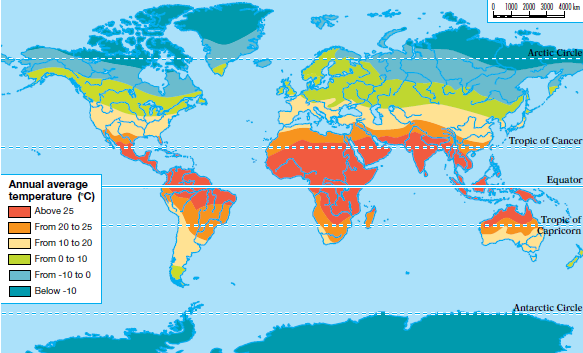
Mural con información investigada sobre el clima que nos haya tocado a nuestro grupo. Os dejo la diapositiva con toda la información que hemos visto en clase:


lunes, 19 de febrero de 2018




Suscribirse a:
Entradas (Atom)
-
 1. The middle ages began in 476 with the fall of the Roman Empire and ended in 1492 with the Discovery of America. 2. In 711, th...
 -
 THE PRIMARY SECTOR IN SPAIN 1. The primary sector is where resources are taken from nature. 2. The primary sector in Spain...
 -
 1. Ecosystems are made up of three elements: the biotope, the biocenosis and the relationships between them. 2. The biotope is ...