.
. . . . . .
Tutoría 6ºC
Science 6ºEPO
Science 5ºEPO
lunes, 19 de febrero de 2018
Unit 5 CLIMATE
1. Weather is the short-term description of the atmospheric conditions in an area.
2. Climate is the long-term weather conditions in a region.
3. We measure the weather by different factors, such as: atmospheric pressure, temperature, humidity, wind and precipitation.
4. A barometer is used to measure the atmospheric pressure.
5. A thermometer is used to measure the temperature.
6. A hygrometer is used to measure how humid the air is.
7. An anemometer is used to measure the wind.
8. A weather vane is used to know in which direction the wind is blowing.
9. A pluviometer is used to measure how much precipitation there is.
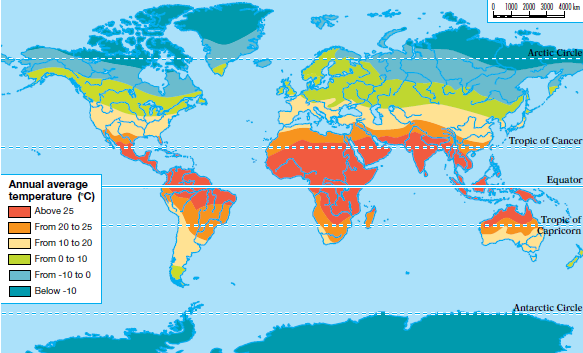
10. Climate is determined by latitude, altitude, the sea and the terrain.
11. Latitude measures how close a place is to the equator.
12. Altitude measures how high the land is above sea level.
13. The sea heats and cools more slowly than the land and being close to water also affect the precipitation.
14. The terrain like mountains affect how much rain or sunshine the surrounding area receives.
15. The climates of Spain are: oceanic, continental, Mediterranean, subtropical and mountain climates.
16. Most of northern Spain (Galicia, Asturias, Cantabria and the Basque Country) has an oceanic climate.
17. The region north of the Central Plateau has a continental climate.
18. The areas closest to the Mediterranean Sea, along the Atlantic coast of Andalucía, in the Balearic Islands and in Ceuta and Melilla; have a Mediterranean Climate.
19. The Canary Islands have a subtropical climate.
20. The areas of higher elevation (1200 meters or more above sea level) have a mountain climate.
21. Andalusia have two types of climate: a Mediterranean climate and a mountain climate.
No hay comentarios:
Publicar un comentario
Entrada más reciente
Entrada antigua
Inicio
Suscribirse a:
Enviar comentarios (Atom)
Unit 7 THE MIDDLE AGES
1. The middle ages began in 476 with the fall of the Roman Empire and ended in 1492 with the Discovery of America. 2. In 711, th...
Unit 6 ECONOMIC SECTORS AND FINANCE
THE PRIMARY SECTOR IN SPAIN 1. The primary sector is where resources are taken from nature. 2. The primary sector in Spain...
Unit 6 ECOSYSTEMS
1. Ecosystems are made up of three elements: the biotope, the biocenosis and the relationships between them. 2. The biotope is ...




No hay comentarios:
Publicar un comentario